
Jewelry
Jewelry has played a significant role in various cultures across the globe, serving as symbols of status, tradition, and personal expression. From ancient times to the present day, jewelry continues to hold immense cultural significance.
Jewelry in Ancient Civilizations
In ancient Egypt, jewelry was not just for adornment but also served as amulets for protection. The pharaohs adorned themselves with intricate pieces made from gold and precious stones, believing they had magical properties.
Jewelry in Asian Cultures
In many Asian cultures, jewelry is an integral part of traditional attire. For instance, Indian weddings feature ornate gold jewelry that symbolizes prosperity and divine blessings.
Modern-Day Jewelry Trends
Today’s jewelry trends are diverse, reflecting both modern aesthetics and cultural heritage. Whether it’s minimalist designs or bold statement pieces, there’s something for everyone.
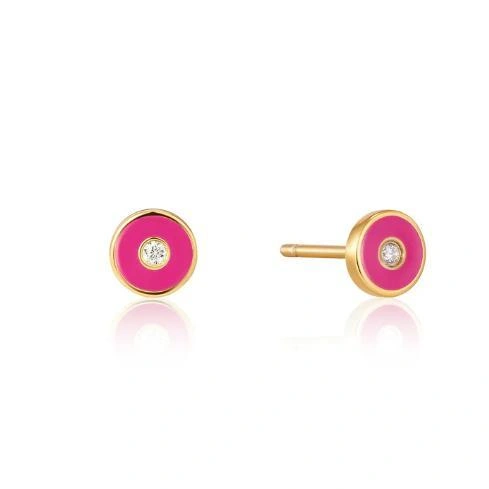
Appraisal Jewelry Near Me
For those looking to appraise their precious items locally, consider researching reputable jewelers with certified gemologists. An appraisal can provide insights into the value of your collection.
Tips for Beginners
- Start by understanding the different types of jewelry materials like gold, silver, and platinum.
- Research historical contexts to appreciate cultural influences on jewelry design.
Advanced Tips
- Learn about gemstone grading to better assess quality during appraisals.
- Stay updated on current market trends to make informed investment decisions.
In many cultures, jewelry is passed down through generations, making it an essential part of family heritage. The intrinsic and sentimental value attached to such pieces reflects their cultural significance. At M.S. Brown Jewelers, our expertise in local appraisal is rooted in understanding these deep connections, allowing us to provide insights that respect both the historical and emotional elements of your jewelry. Our detailed appraisals recognize that each piece tells a story, intertwined with its cultural significance.
The role of jewelry extends beyond mere ornamentation. In various cultures, it is linked with rites of passage, religious ceremonies, and identity. These aspects elevate its importance, creating a need for specialized local appraisal services that acknowledge these nuances. At M.S. Brown Jewelers, we appreciate how cultural significance influences value, and our appraisals reflect this understanding, offering personalized assessments tailored to the rich backstory of each item. The cultural significance jewelry local appraisal at our store is designed to be as unique as the jewelry itself.
Moving beyond ancient civilizations, jewelry has been deeply intertwined with cultural practices and social norms. In India, jewelry plays a crucial role in weddings, symbolizing marital status and familial wealth. Similarly, in Native American cultures, intricate beadwork and turquoise pieces carry historical and spiritual meanings. Each region’s jewelry reflects its unique heritage, showcasing the cultural significance jewelry holds worldwide.
Understanding the cultural significance jewelry holds within each locale is essential, particularly when considering a local appraisal. It is crucial for both collectors and sellers to approach the process with an appreciation of the historical and cultural contexts. This aids in providing a more accurate valuation that respects the piece’s heritage.
During a local appraisal, experts consider numerous factors beyond the material and craftsmanship. Cultural importance often influences the appraisal value significantly. For example, a piece with strong ties to a particular cultural tradition or historical event may hold additional value for its symbolic importance. Gaining insights into the cultural significance jewelry possesses allows appraisers to truly appreciate both the tangible and intangible worth of each piece, ensuring informed evaluations that honor their rich pasts.
Moving through history, the cultural significance of jewelry becomes apparent in the elaborate adornments of ancient Rome, where each piece was a testament to the wearer’s social status. Intricate designs with gemstones signified wealth and influence. Similarly, in India, jewelry has always been more than ornamental, woven intricately with traditions and spiritual beliefs. Bridal jewelry, passed down through generations, holds stories and blessings, reflecting deep-rooted cultural significance.
In contemporary society, jewelry continues to hold personal and cultural importance. For many, it is a form of self-expression or a marker of memorable life moments—milestones like engagements, weddings, or anniversaries celebrated with rings and necklaces. Cultural significance in jewelry remains prevalent, as families treasure heirloom pieces, ensuring traditions and family histories endure through generations.
However, understanding this significance extends beyond cultural appreciation. It’s crucial for owners to be informed about their jewelry’s value, especially when considering appraisal. This local appraisal is essential not only for insurance purposes but also for personal knowledge. Knowing the exact worth and origin can foster a deeper connection to the piece. When seeking a jewelry appraisal locally, it’s important to find a reputable appraiser who can provide insights into both the material value and cultural significance. Jewelry enthusiasts often find that local experts can offer unique perspectives, as they are familiar with regional styles and histories.
Additionally, local appraisal services can uncover hidden stories, enhancing the appreciation of these cherished pieces. The intertwining of cultural significance, jewelry appreciation, and local appraisal contributes to a fuller understanding of each item’s story. Whether preserving family backgrounds or marking personal achievements, these elements create a lasting bond between the wearer and their jewelry.
Ultimately, considering the cultural significance of jewelry through local appraisal not only determines monetary value but also uncovers emotional and historical layers. This process enriches one’s appreciation for jewelry, transforming each piece into a cherished symbol of both personal heritage and broader cultural narratives.